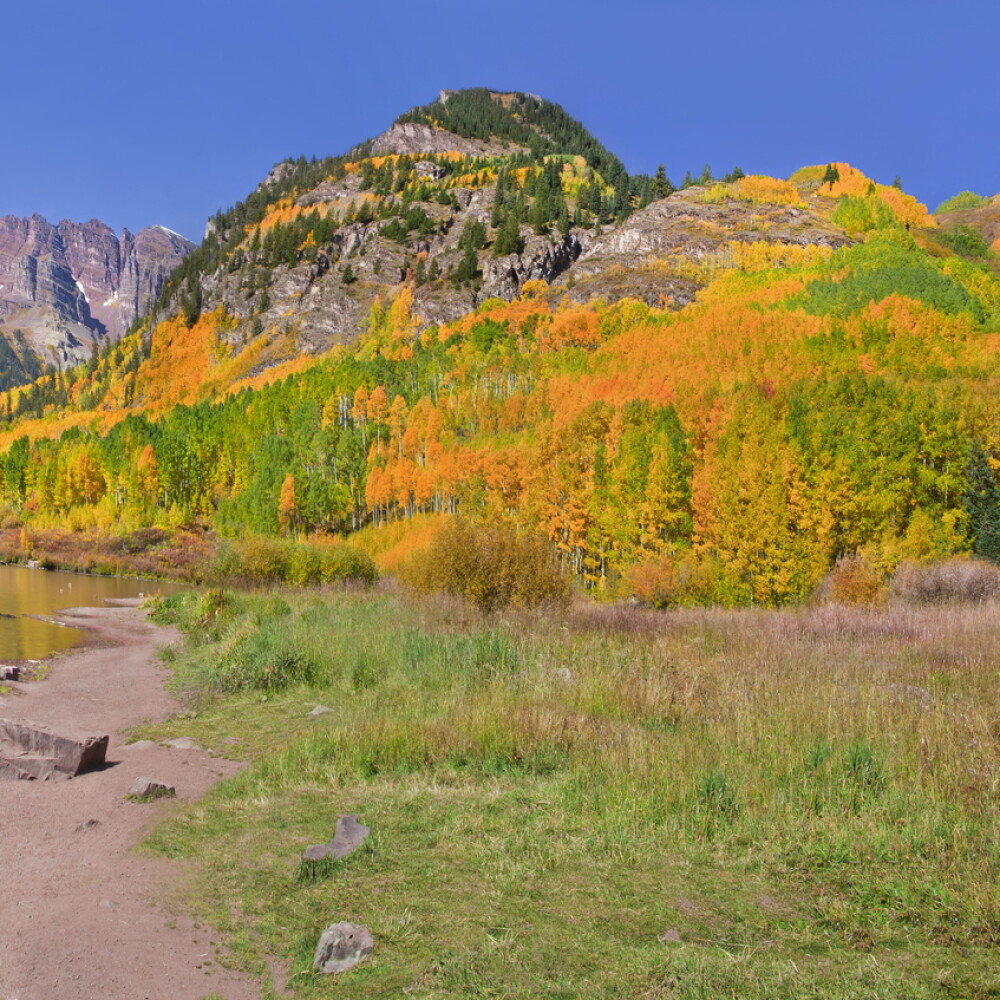

Among Utah’s famed Book Cliffs, a new story is being written for the small town of Helper City.
Sandwiched between the imposing peaks of the high desert, its historic Main Street is buzzing with new retail, places to eat and public art. Tucked just behind it, the Price River meanders through town, offering locals and visitors a place to fish, swim and recreate. Look closely, and you’ll see priority species like Colorado cutthroat trout and bluehead suckers finding a moment of calm in its deeper pools as they make their way upstream.
Helper City wasn’t always this way. Known for its diverse immigrant population, it was a mining and railroad town for more than a century. However, as those industries faded away, so did the local economy they supported. According to Jordan Nielson, Utah State Director for Trout Unlimited, “It was a blink-and-you’ll-miss-it type of place.”
And the Price River? Decades of unchecked invasive plant growth choked its banks, while man-made diversions to move the water to agricultural land had rendered it almost entirely inaccessible — and altogether unpleasant.
The piling structures, Nielson says, were built from whatever materials folks had on hand. After pounding railroad ties vertically into the riverbed, everything from garbage to old tires and car bodies were used to move the water in the Price River to where it needed to go.
What changed? Jordan says that when you have a local champion like Mayor Lenise Peterman, progress can be hard to stop.
Mayor Peterman and her partner, an artist, moved to Helper City in 2015. Long before she was elected, Peterman believed in the future potential of their new home. “Putting down roots in a rural community that wasn't thriving is a risk. We knew we could make things happen. We just had to put our heads down and work together with our community to see it thrive.”
To achieve her goal of returning the river to a more natural, healthy state and helping people engage with the river in a safe and predictable way, Mayor Peterman and her team created a phased, six-step plan to be completed over more than a decade.
Enlisting national partners like Trout Unlimited and RiverRestoration, she also made supporting Helper’s revitalization accessible – and appealing – to local residents. “In little towns like this, it’s ok not to have all the answers. We often don’t. But there were just so many people who had skin in the game to help us bring this river back.”
Mayor Peterman created several committees to help manage the task ahead, “If you were interested in the history, we had a history committee.” Concerned about plants? There was a committee for that, too.
“People could take a bite-size of responsibility and effort to help improve their city,” she says. To incorporate as much local feedback as possible, the town held several open community meetings. “You have to get that buy-in to make change happen.”
For more than 10 years, the town worked with its residents and national partners to remove the old diversions, replacing them with natural solutions like rock crossings and native plants to hold the banks together.
The work also made this stretch of the river passable to fish, expanding their access to critical habitat. The final phase of the initiative – removing a 12-foot concrete dam – was completed in 2022, on time and under budget.
Particularly in the West, a community’s relationship with water is the primary way in which its residents experience a changing climate. The Walton Family Foundation supports organizations like Trout Unlimited as they work with nature to create new opportunities for people, communities and ecosystems to access and thrive alongside water.
Nielson says that while Trout Unlimited’s primary goal for the Price River was to make it “passable for fish moving upstream and people floating downstream,” the work has also benefitted Helper City’s economy as it becomes a new destination for tourism. “It's a positive feedback loop. We take care of the river. River takes care of us. River gets better. We get better. Communities continue to thrive.”
With the Price River returned to its natural state, Peterman says Helper City has written a new chapter in its history. “Today, all of the buildings on Main Street are purchased. They've been renovated or they're under renovation. People are really excited to be here. The recreational assets that we now have mean that people can get in [the river] and kayak, fish or swim. It's been such a rapid turnaround. It's kind of amazing.”