Editor's Note: At the Walton Family Foundation, we spend a lot of time thinking about where our water really comes from and what happens to it before it reaches the kitchen sink. Wildfires are one of the fastest-growing threats to those source waters, with consequences that ripple far beyond burned landscapes. This article, co-authored with the Gordon and Betty Moore Foundation, reflects why we believe investing early in healthy forests and watersheds is one of the most practical ways to protect communities, ecosystems and the water systems they depend on.
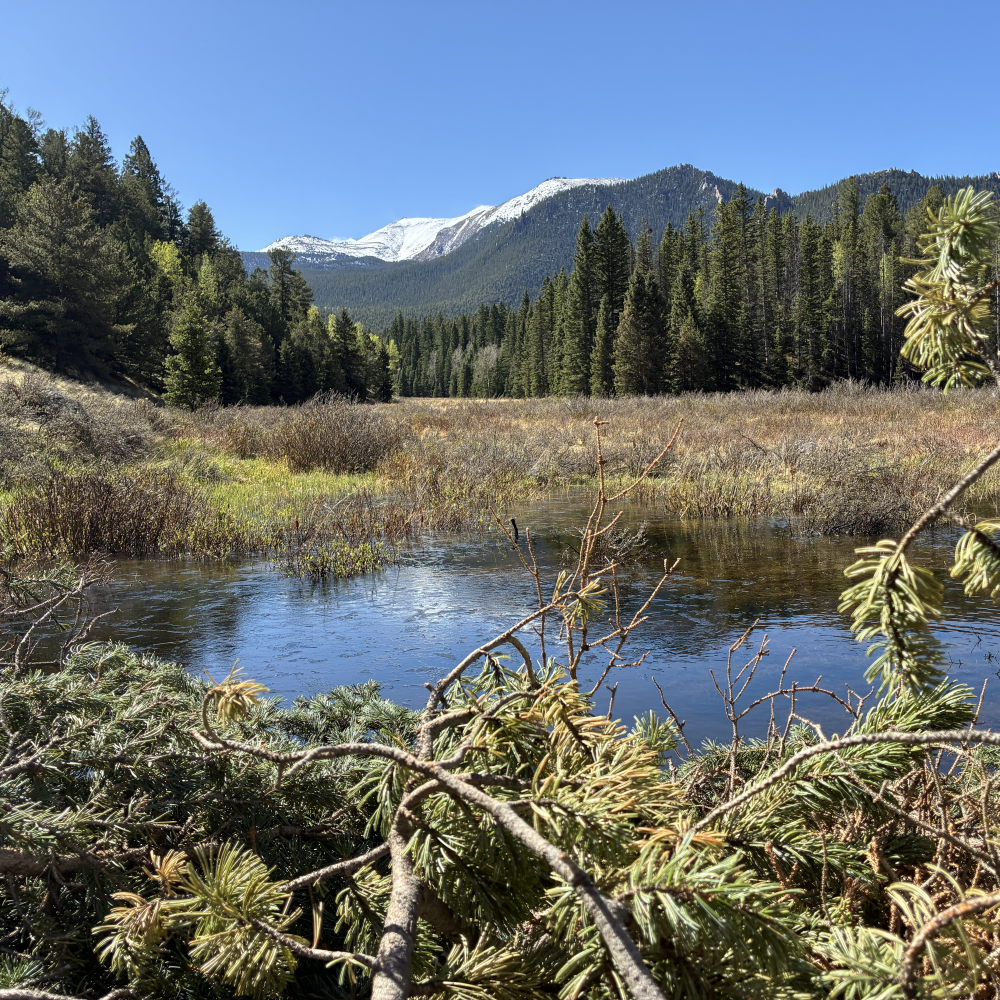
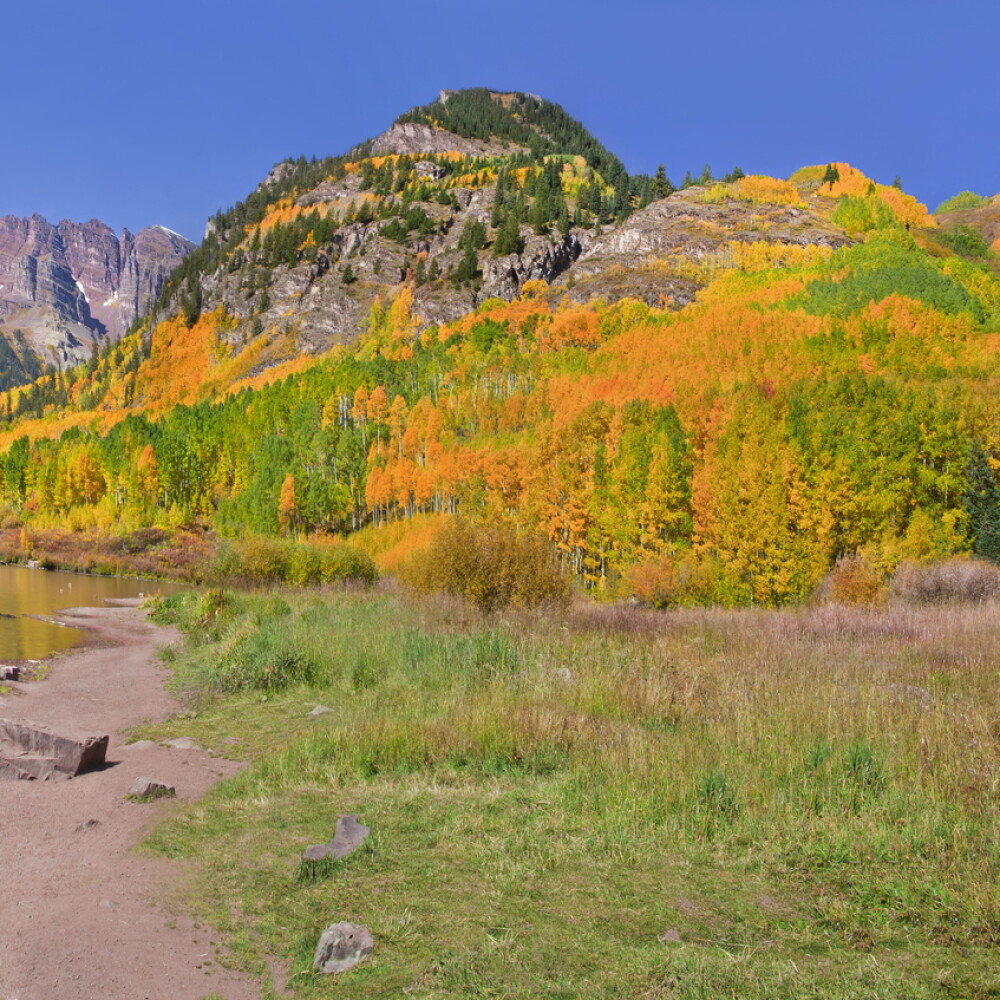
When asked where their water comes from, most Americans will answer simply: “my tap.” But long before water reaches the faucet, it is shaped by the environment. It begins as snow or rain, and flows through aquifers, soils, streams, and forests – a nature-based process that not only keeps ecosystems healthy, but also helps filter water before it is collected, stored, and delivered to homes, cities, farms, and industries. Water is the critical link tying forests to rivers, headwaters to cities, and people to the natural world.
Our entire way of life depends on this fragile system to safeguard drinking water supplies, support economic development, and protect the environments that we rely on for our health and wellbeing. One of the most significant and increasing threats to our source water — the rivers and streams that supply our taps — is catastrophic wildfire.
When most people imagine wildfire, they picture flames racing through forest or chaparral landscapes, communities with burning homes, and skies darkened with smoke. What they rarely envision is the damage that happens afterwards: post-fire flooding, rivers running black with ash, reservoirs clogged with sediment, water treatment plants overwhelmed, energy production slowed, and families and businesses facing unsafe or unreliable drinking water. All on top of the financial and emotional costs of disaster recovery and rebuilding.
Across the West and beyond, catastrophic wildfires are directly threatening the watersheds and water supplies that sustain our lives and livelihoods. The question is no longer whether landscapes will burn, but how, where, and with what consequences.
Despite this, current investments remain heavily skewed towards response rather than proactive stewardship. We are not doing enough to reduce threats before an unwanted wildfire occurs to protect our ecosystems, enable reliable water supplies, decrease disaster response needed, and safeguard the environments where we live, work, and play. The result of this skew: expensive crises that could have been avoided.
Achieving water and wildfire resilience is a steep challenge, but philanthropy excels at tackling complex problems. Public funding and agency action are essential, but philanthropy can play a critical role by incentivizing and accelerating innovation, providing meaningful metrics, and supporting those who can demonstrate how preparing for wildfire and safeguarding water resources can be achieved and sustained. With enough funders working together we can replicate successful solutions for landscapes threatened by wildfire.
Philanthropy can partner with utilities, private organizations, public agencies, land managers, and corporate stewards to pursue conservation-focused financing and project governance that ensures our cities, farms, and industry have the water they need to sustainably support thriving communities and ecosystems.
We can protect watersheds by funding scientists and innovators to model, develop, and implement tools that identify where and how landscape scale stewardship and restoration can be most effective. These pursuits reduce uncertainty and support risk-reduction approaches and accurate monitoring systems–providing insurers and utilities the tools they need to quantify avoided costs to water supplies from harmful wildfires.
We can also help public agencies modernize land management and enable stewardship at the pace and scale needed in the West. This includes strategies like creating a sustainable and environmentally friendly market for small-diameter timber to help offset forest restoration costs. Championing these kinds of innovations, and particularly in rural landscapes, can create jobs, strengthen businesses, and enable communities to do the necessary work faster.
Despite the growing wildfire-water crisis, we have more knowledge, strategies, and tools than ever before to address it.
- Innovation and Data. Advances in remote sensing, ecological modeling, and artificial intelligence now allow us to understand fire-water ecosystem interactions with more certainty. These tools can guide smarter, more targeted investments so we can decrease damages associated with wildfires, preserve water supplies, and support the long-term health of nature and people.
- Proactive Stewardship and Restoration. The knowledge and practice of stream and forest management has also improved, and we know that these actions can enable cleaner, more reliable water supplies and healthier ecosystems. Recent studies have found that investing in watershed stewardship and fuel treatments yields returns as high as 600% compared to the cost of responding to fire damage. Simply put, being proactive is cheaper, safer, and more effective.
- Conservation Finance. Creative financing mechanisms are emerging to sustain resilience over the long term. Public and private actors can share costs while generating positive conservation and economic outcomes. Approaches such as Blue Forest’s forest resilience bonds de-risk participation, align cross-sector funding, and convert long-term ecosystem benefits (such as reduced fire risk, water reliability, and biodiversity) into near-term financing so work can start at scale now. Utility-driven partnerships such as the Salt River Project, or the North Yuba Forest Partnership, blend public, private, and philanthropic capital and establish commitments to long-term performance-based funding models that are replicable in multiple regions and ecosystem types.
- Responding differently. Communities, land managers, utilities, and policymakers tackling catastrophic wildfire are embracing ecosystem restoration, pre-fire mitigation, stewardship, and the integration of diverse knowledge systems and data. Research partnerships, such as the Western Fire and Forest Resilience Collaborative, are forming to integrate multiple lines of expertise, reduce siloing, and tackle these issues head on. Together, these shifts decrease the uncertainties that keep us from making good decisions and signal real momentum toward a future of wildfire and water resilience.
Philanthropy has the opportunity — and the responsibility — to act now.
If philanthropy rises to the challenge, success will mean more than safe water flowing from taps. It will also mean resilient ecosystems that sustain wildlife, stronger rural economies, safer and healthier communities, and wildfire-ready landscapes that show that we can live successfully with wildfire in a way that enhances our precious water resource.
Whether your philanthropic investments focus on technology, policy change, biodiversity, economic development, health and equity, disaster recovery, or climate resilience – there is a role for you in this work.
Philanthropy has the opportunity — and the responsibility — to act now. Together, we can protect the water that underpins our economy, health, and environment, while creating healthier and more resilient ecosystems and public lands.
Learn more and connect with other funders through the Wildfire Resilience Funders Network.