At CIS 303 in the Bronx, Ms. Cato’s sixth grade math class is abuzz. Students work in groups, sketching diagrams, testing ideas and sometimes hitting dead ends. “It’s not always about getting the answer correct,” she says. “It’s how did you get there?”
Then comes the breakthrough. “We got it! We got it, Ms. Cato!” As a teacher, she says, this pride “is the moment we live for.”
Teachers work toward moments like these every day. But creating more of them requires time, tools and support that many educators still lack.
Ms. Cato is a classroom veteran, but she says the hurdles facing new teachers today can feel overwhelming. “Your first year is already the most challenging thing…you're ever going to experience in your life. So to then walk into a classroom and not have the materials to support you is just a whole other level of stress and anxiety.”
Across the country, teachers are still helping students recover academically from the pandemic, while navigating increasingly complex classroom needs, widening achievement gaps and growing demands on their time. Yet too many are expected to do this work without access to the materials, opportunities for collaboration or sustained professional learning aligned to student needs.
At a moment when just 31% of students are proficient in reading and 39% are proficient in math, supporting teachers is critical to improving early literacy and math outcomes -- skills that shape graduation rates, postsecondary success and long-term economic opportunity.
In Ms. Cato’s classroom, being given more time to collaborate with her peers has been “transformative.”
Research from Gallup and the Walton Family Foundation reflects that experience. Nearly 7 in 10 teachers (68%) say collaborative planning meetings are valuable to their professional development, making them the highest-rated learning opportunity ahead of workshops, mentorship and observation feedback.
“It is invaluable to use your colleagues as a resource to navigate through the curriculum, because you only see it your way,” Cato says. “There’s many ways that the information can be presented. It’s nice to get to bounce those ideas off of others.”
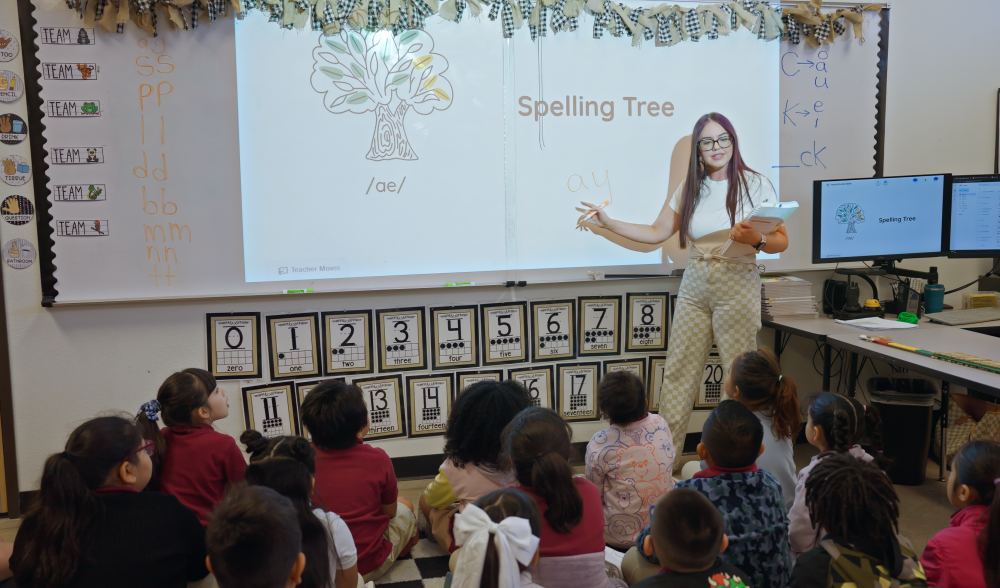
Across the country in Las Vegas, reading teacher Chelsea Myers says learning from her fellow teachers, alongside stronger materials, is giving her new tools to individualize lesson planning and support for each student.
“Now I can take the extra time…to plan for my kids who are not on grade level, or my kids who are above grade level, and also build connections with my students,” says Myers. “I now have more time to think [about] honing in on my craft and becoming a better teacher myself.”
Over the past five years, the Walton Family Foundation has invested in supporting excellent teaching and professional development strategies designed to improve teacher satisfaction and retention.
The foundation’s new five-year strategy includes more than $220 million to support K-8 literacy and math outcomes for students across the United States. These grants support teachers with high-quality instructional materials and professional learning; help states build capacity to implement effective literacy and math strategies; and back innovators developing new approaches to help students – especially those from low-income communities – build essential reading and math skills.
Back in the Bronx, Ms. Cato says the changes she sees in both teachers and students give her hope that young people will continue to choose the profession and find joy in it. “Every decision that I make as a teacher is because I love what I do. I love the kids. I love my job.”