It’s day one of a 2,000-mile journey for water activist and ultramarathoner Mina Guli. She is preparing to run the length of the Colorado River over the course of around 100 days or less. But first, Mina needs to find her starting line.
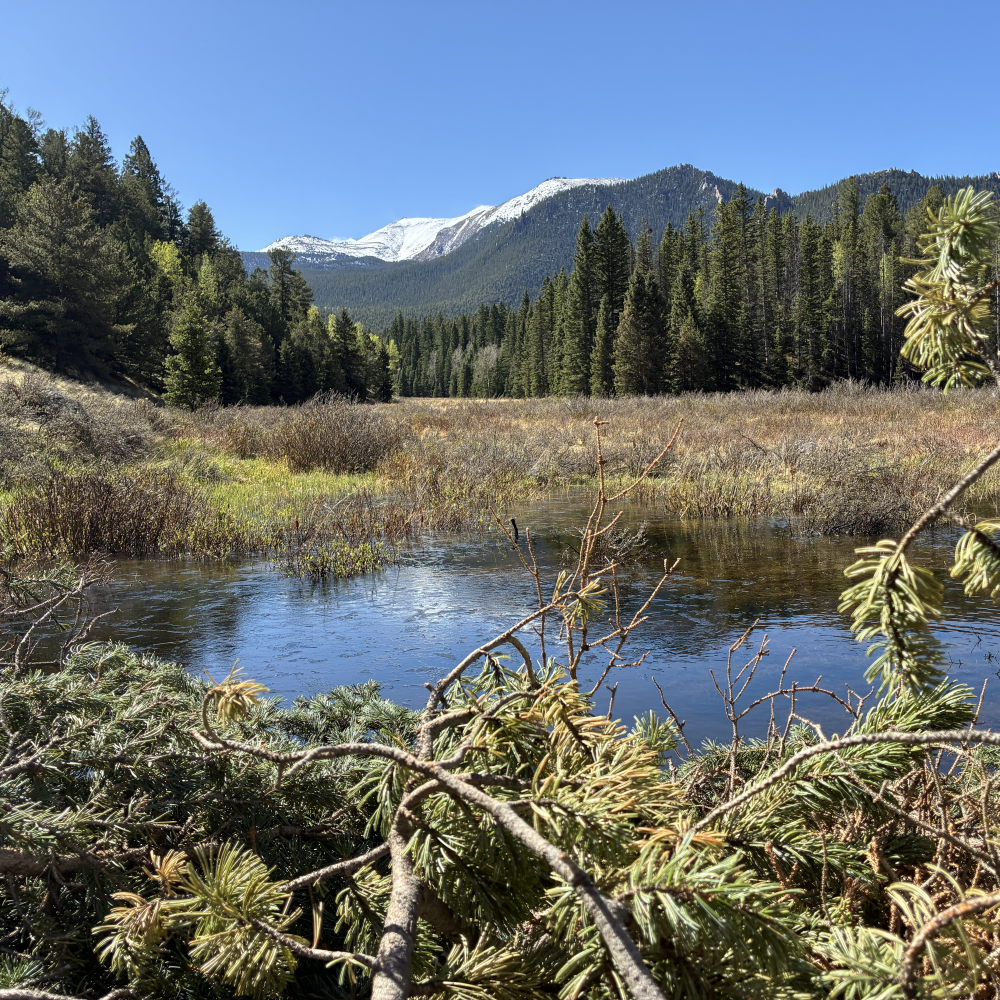
As she and the crew crunch through dry marsh high in the Rockies, they search for the headwater of the mightiest river in the American West. For a water source that supports 40 million people, it’s drier than it should be—the result of historic snowpack deficits and chronic overuse. Finally, seeping up between the tall grass, the team thinks they’ve found it—a muddy hole no more than 12 inches across that turns into the faintest trickle of a stream. Now, the real work begins.
Perhaps most surprising? Guli doesn’t particularly like to run. “I get scared. I’m really slow. I fall over on trails ... But sometimes, you have moments in your life where you realize, if not me, then who?”
A lawyer and entrepreneur, Guli launched the Thirst Foundation in 2012 to increase awareness, drive stakeholder urgency and deliver meaningful action on our most critical global resource—water. Across four major initiatives, she has completed more than 300 marathons in some of the harshest conditions on the planet, engaging with government and business leaders, community advocates and regular folks impacted by water crisis along the way.
The Walton Family Foundation is committed to building a healthier, more resilient Colorado River by supporting solutions that work with the power of nature to improve water outcomes for people and ecosystems alike. Efforts like Guli's run help highlight the critical need to build lasting capacity that helps those natural solutions take root throughout the basin.
Guli says she first became acutely aware of water issues as a young adult living through Australia’s millennial drought. “We used to put buckets under the taps and collect water wherever we could. We knew how fundamental this resource was to our daily lives … but what I didn’t understand was how fundamental it was to whole economies and supply chains,” she says.
As she entered the workforce, including at the World Bank developing carbon trading projects, Guli says she “was confronted by a massive reality check on this incredibly valuable thing. I thought climate change was our biggest threat. But if climate is the shark, water is the teeth. It’s where we will get bitten first.”
Her latest initiative, dubbed "Keep the River Running," is almost unfathomably challenging—running the length of the Colorado River in the height of summer, where temperatures can frequently soar above 100 degrees across the basin. She credits her drive to keep running to “a capacity to dream big and worry about the reality later.”
Also unfathomable to Guli? The sheer magnitude of the crisis that the Colorado River Basin now faces. “This is one of the most critical moments in the history of the Colorado,” says Guli. “The river is running out of water, and this year, the current allocations will expire, which means there will be less predictability about how water is shared.”
A new paper, “State of the Basin Report: A Guide to the Colorado River Crisis,” details the severity of the Western water shortage, from drained aquifers and depleted reservoirs to struggling agriculture. According to the report, another warning sign is flashing on the horizon: Dams are at risk of falling below the threshold required to generate power – a turning point that is difficult to reverse. The economic and societal implications of a waterless basin are staggering: an estimated $1.4 trillion in GDP and 16 million jobs for the U.S. economy.
The report also shows that solutions exist to mitigate this crisis. Guli says she has seen them firsthand in river basins across the globe.
First, she argues for shifting from crisis management to a supply-based approach that respects the river's natural flow. The U.S. Basin states explored a water-sharing management system based on natural flows in 2025, but ultimately the upper and lower basin states could not agree on percentages that each should receive.
Second, she advocates for an all-of-the-above strategy to conserve water—from the restoration of water-based ecosystems, expanding wastewater recycling and improving agricultural efficiency, to modernizing infrastructure and honoring the 30 Tribal Nations that hold water interests in the region—but who often lack the infrastructure to use all of their share.
Finally, Guli says, business and investors must become part of the solution. "Business as usual is now an unpriced liability," she says. Companies globally report $339 billion in potential financial impacts from water risk, yet investments in long-term water solutions can reduce that exposure while generating lasting economic and social value.
To support these goals, Guli is hosting a series of cross-sector summits from Denver to Los Angeles to build consensus around solutions and drive real change.
“Right now, there is real sense of wanting the government to take responsibility instead of taking it ourselves,” says Guli, referring to both businesses and individual water users.
“The reality is, we are all part of the problem, and we all have a role to play in creating solutions. In Australia, we call it Tall Poppy Syndrome, where the tallest poppy gets cut first. At the moment, there is a kind of fear of putting up your hand and speaking out. It’s really hard, it’s incredibly uncomfortable, but if we never have tall poppies, we never see what’s possible.”
By putting her own body on the line and bringing the front-line stories of the water crisis into the rooms where decisions get made, Guli believes that lasting solutions are possible.
After running thousands of miles, “It’s hard for a leader to look me in the eye and tell me the action they need to take is a little bit too hard. We need our leaders to understand that acting on water is not optional, because nothing can be harder than figuring out what to do when the water is gone. I’m not asking them to do something that’s easy, but we can do hard things.”